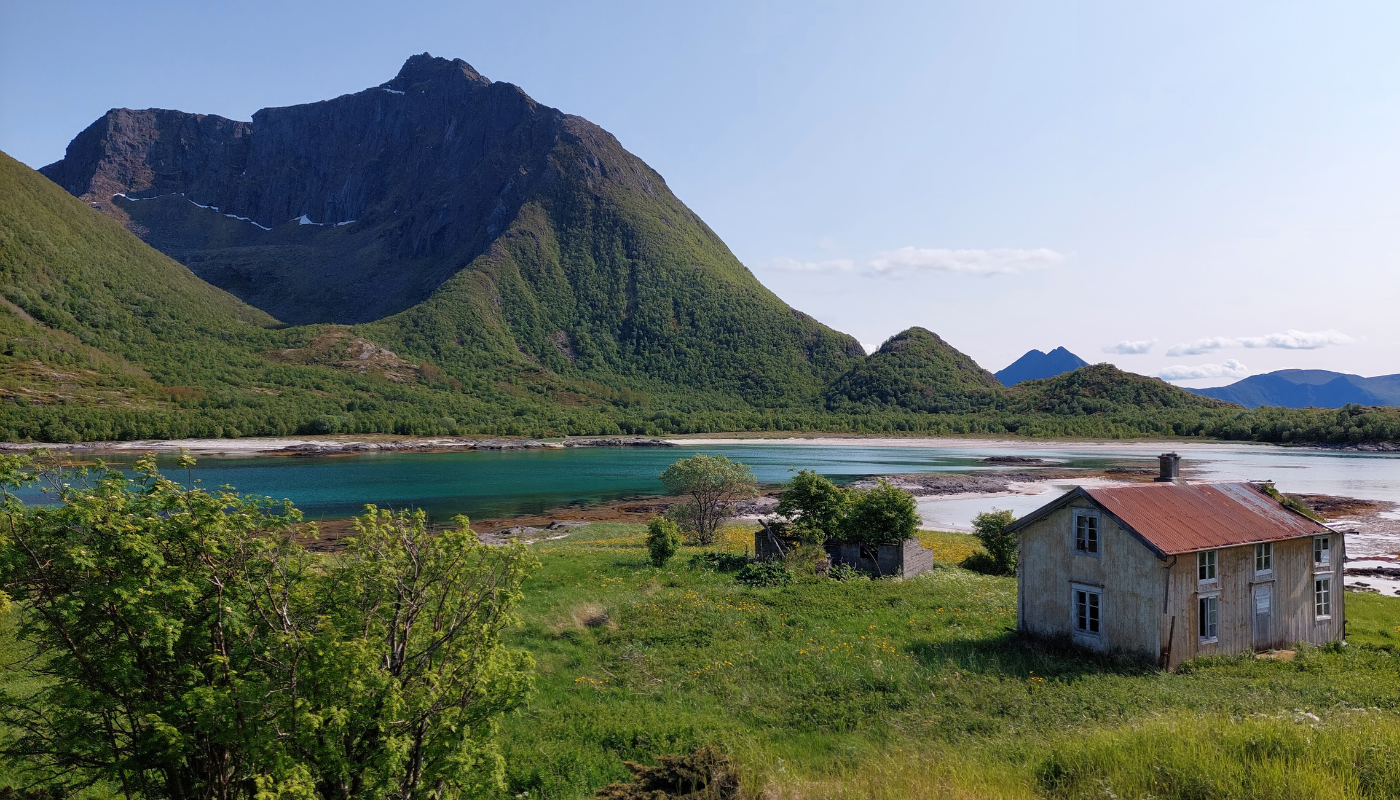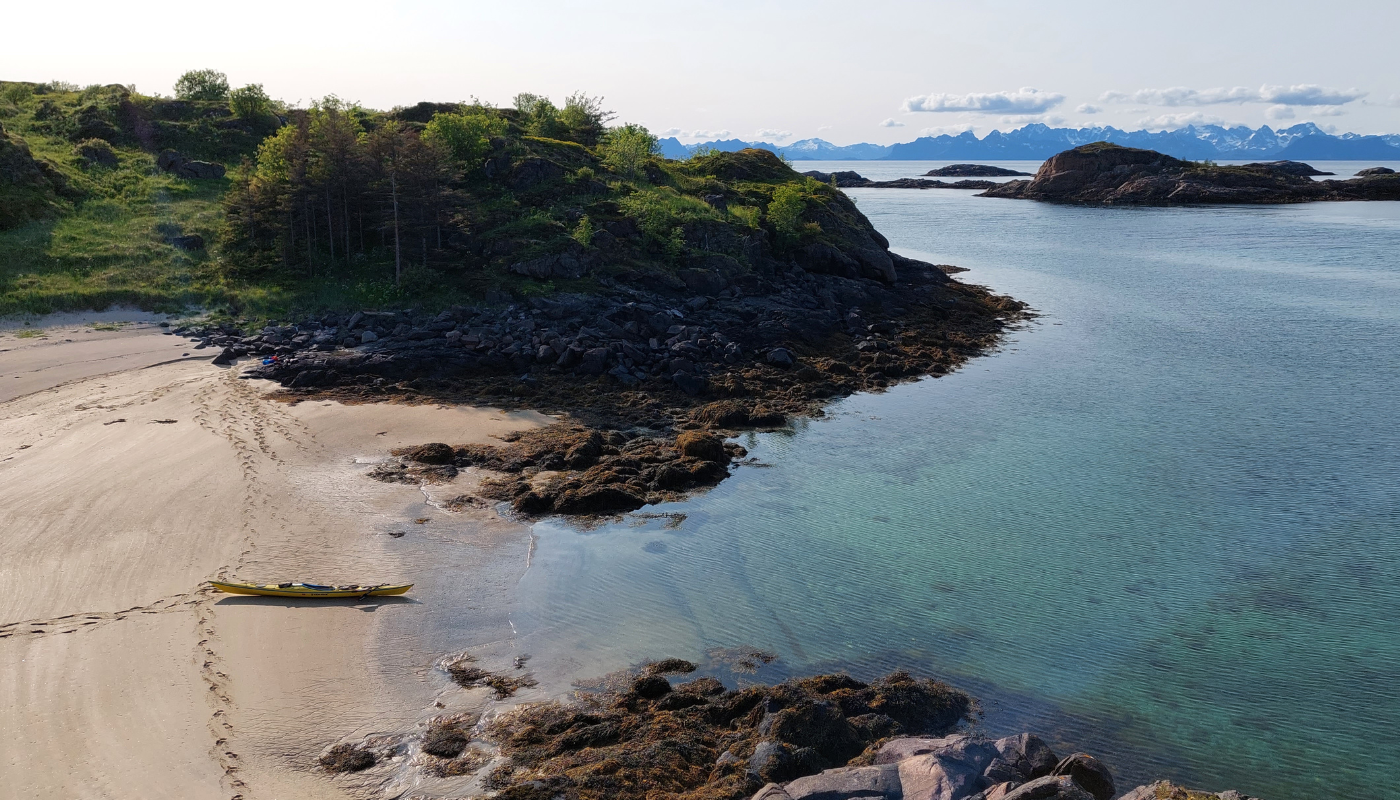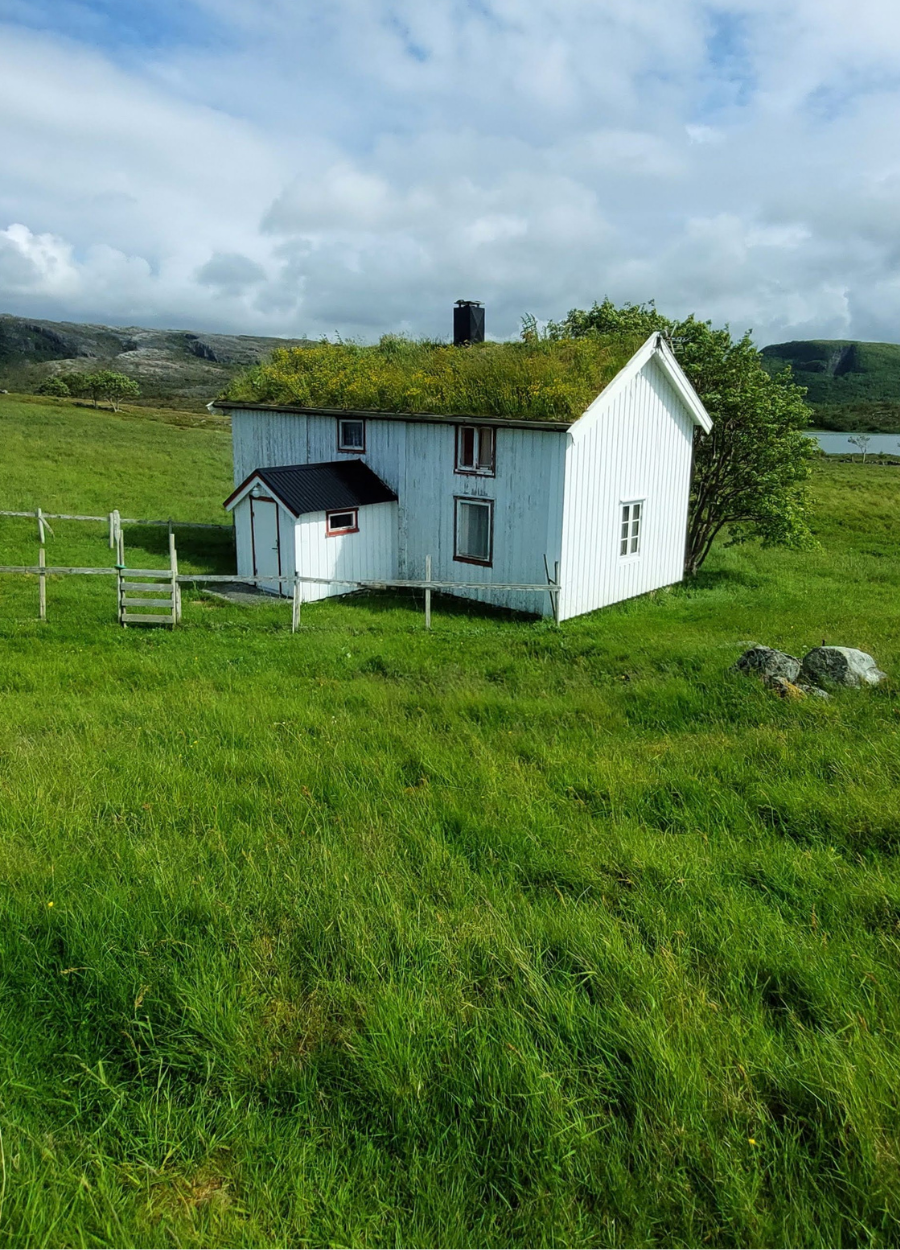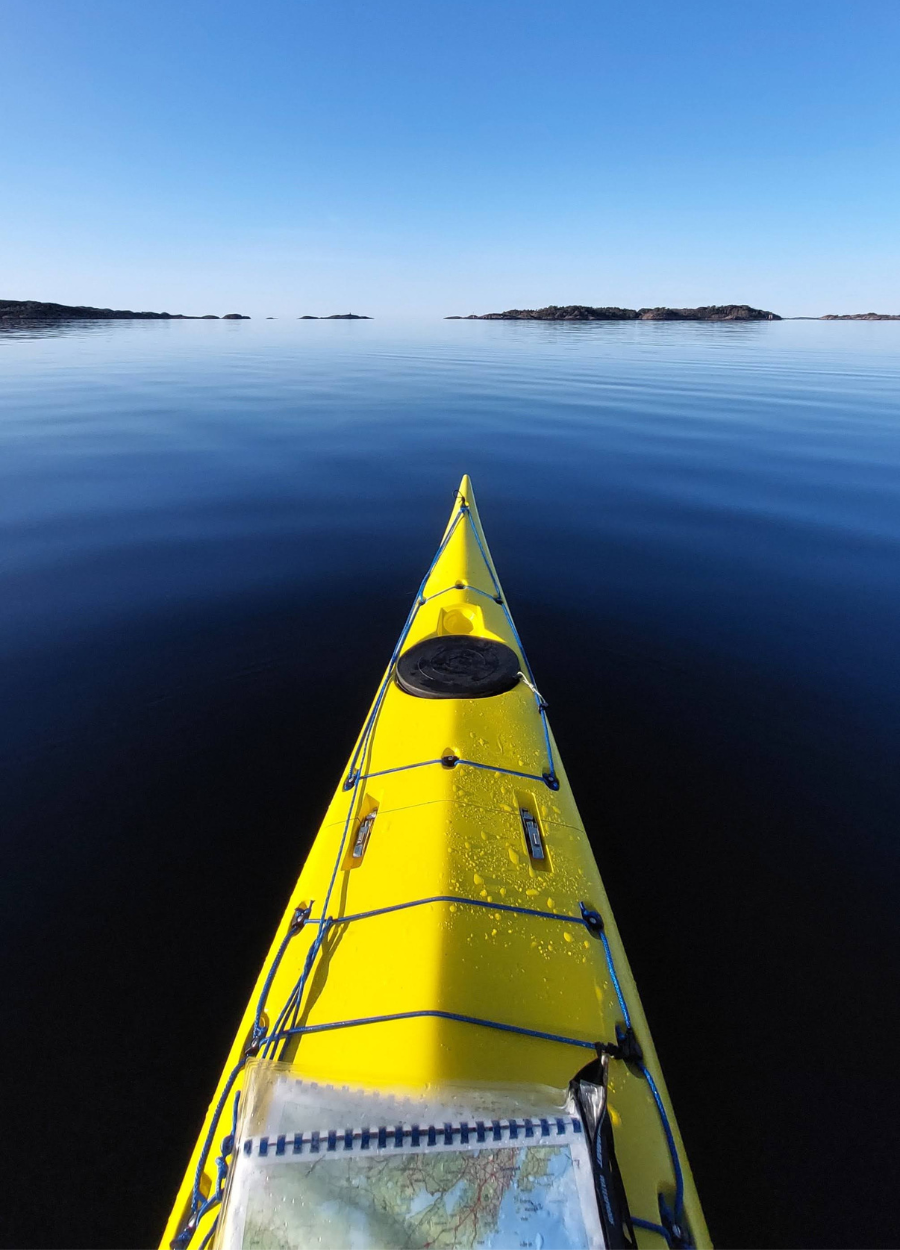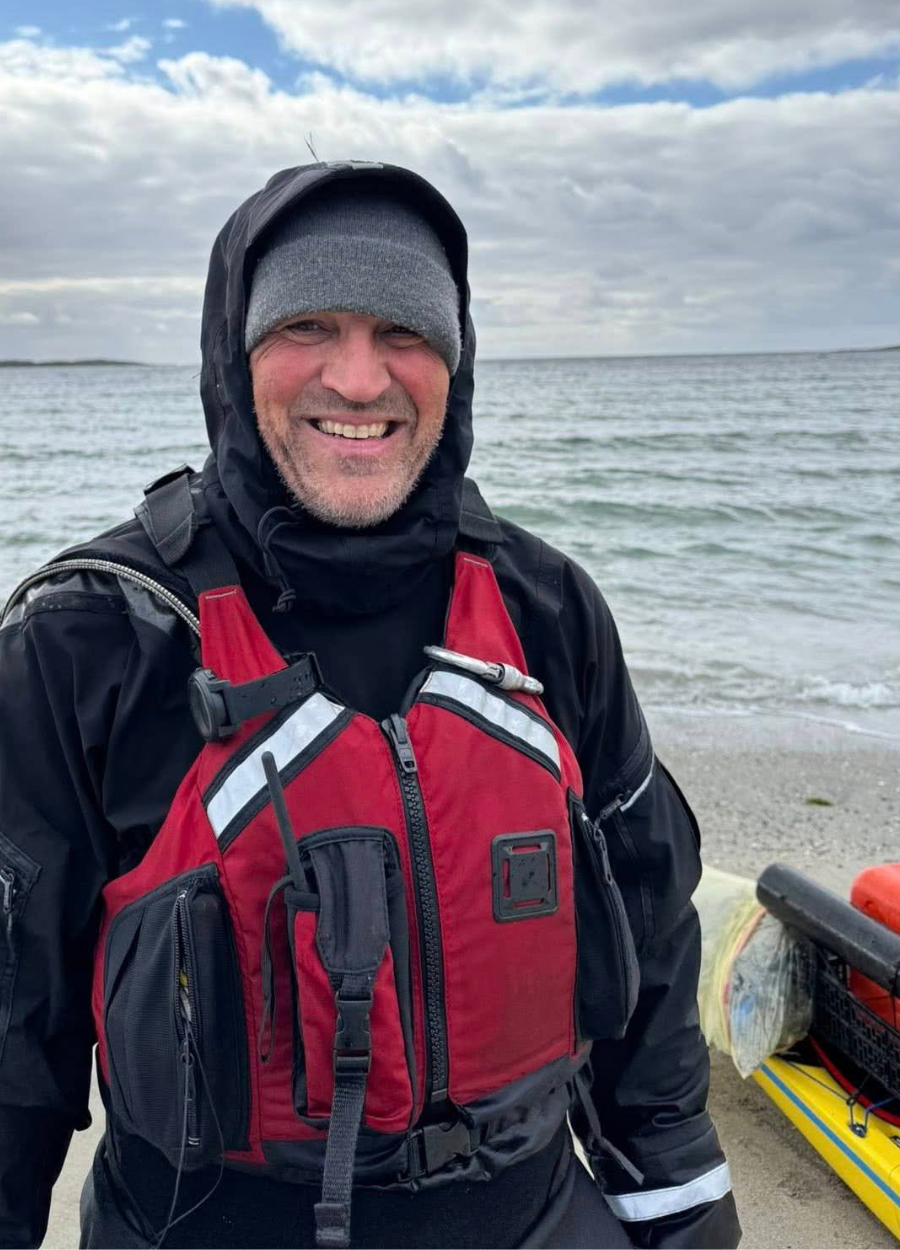
In March 2025, Marcus Demuth set off on a sixty day paddle along the 3,000 mile Norwegian coastline, from the Swedish to the Russian border. Contrary to previous expeditions, which were fuelled by athletic desire, Marcus’ aim wasn’t just to go long and far, it was to understand the scale of plastic pollution in the oceans.
Before he went back to complete the next leg of his journey, we heard how Marcus found a sense of purpose and community in a country doing its bit in the fight against microplastics.
What got you started in kayaking? Have you always kayaked or did something happen where you discovered it?
20 years ago I was overworked, living in New York, and running my own business. One day, at a trade show, I spotted a sliver of the Hudson River between buildings, and as I watched two kayaks go by, I promised myself I’d take a kayaking course. By the time I did my second paddle, I was completing a night navigation around Manhattan; I quickly got hooked.
You’ve done a lot of kayaking since then, including some record-breaking long distance solo trips. What made you choose Norway for this expedition?
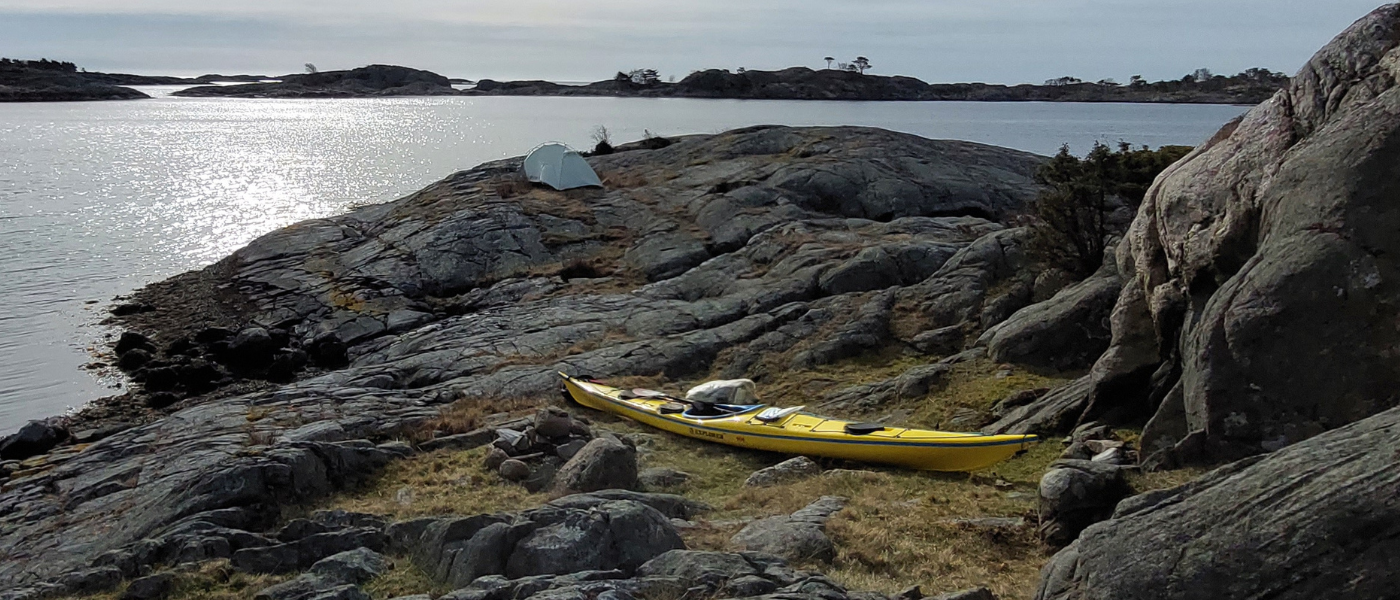
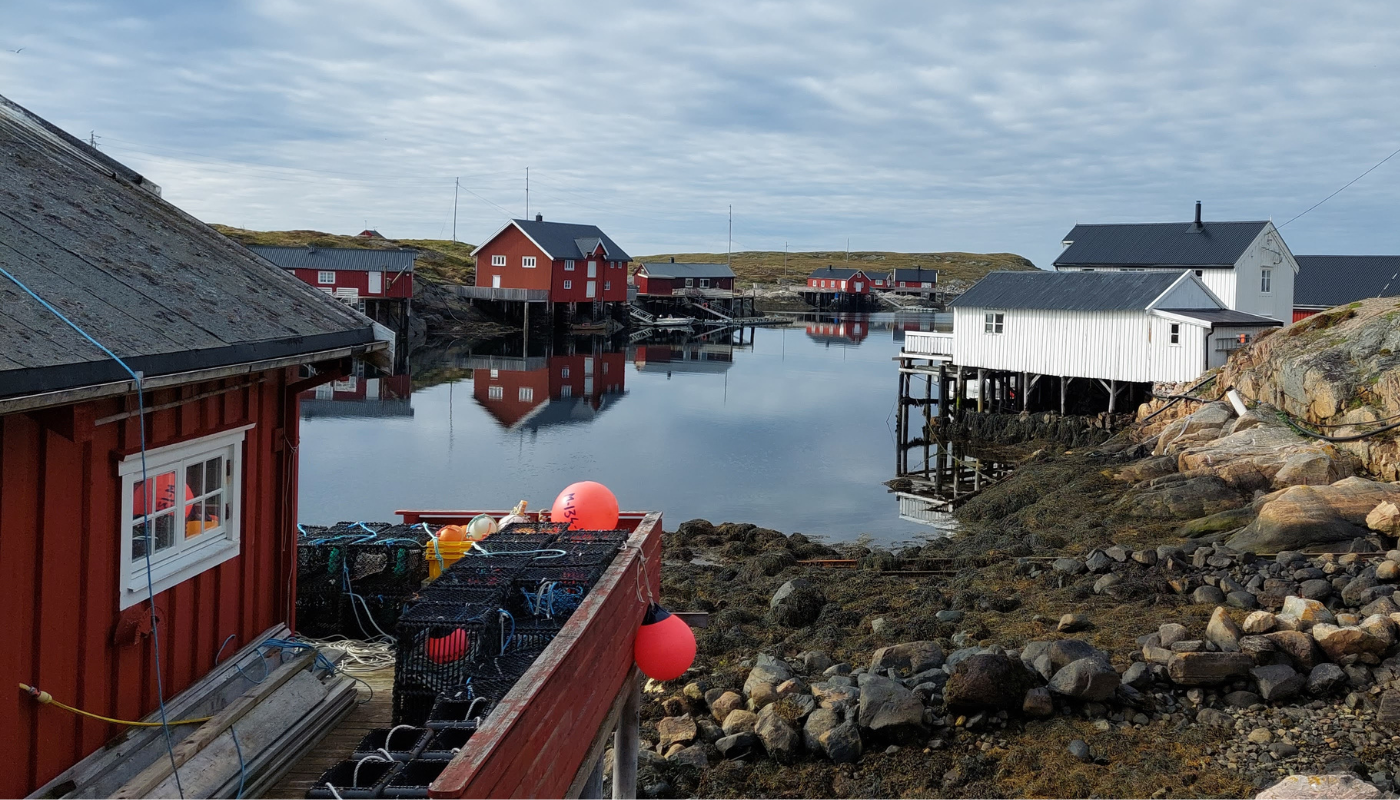
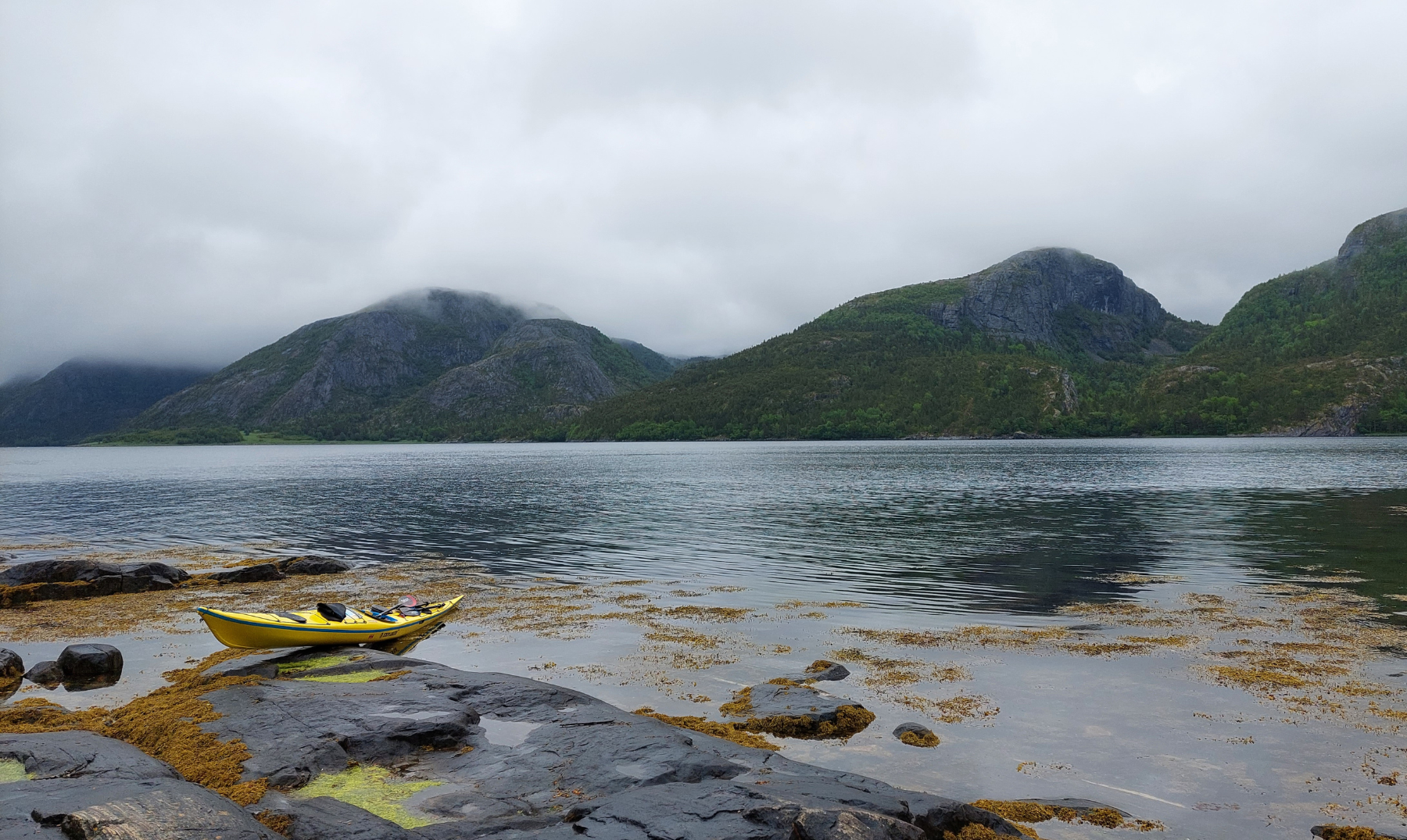
As a kayaker, you look for countries where the coast is nice, the people are welcoming and, if possible, there are lots of islands. It’s more appealing to paddle around 600 islands in western Finland than to paddle along the east coast of Great Britain where you might find a 300km long sandy beach. The Norwegian coastline has 100,000 islands, and has good camping options as well – it’s easier to find a deserted beach to pitch your tent, where you know it won’t bother anyone. And if anyone does show up, they tend to be really friendly, bring you food, and want to know about the trip.
On this expedition, there was an environmental dimension to what you were doing – where did that come from?
I usually need two things to motivate me. Long expeditions are really good: you meet amazing people, but you’re in the boat for 8-10 hours a day and sometimes you wish you had something else to occupy your mind.
Collecting rubbish is a really good focus. When you land on beaches nearly anywhere in the world, there’s plastic rubbish. When some of the big cruise ships going to Antarctica do shore visits, they ask their clients to come back with one piece of plastic rubbish. I think it’s great that they’re making their clients aware of the problem, and encouraging them to leave the place a little better than when they came. For me, that’s a great reason to get out on the water. So now, whenever I land, I set up my tent, I make myself food and then I collect rubbish. And it’s really fun!
Did you only collect plastic on land, and was there a limit to how much you could collect?
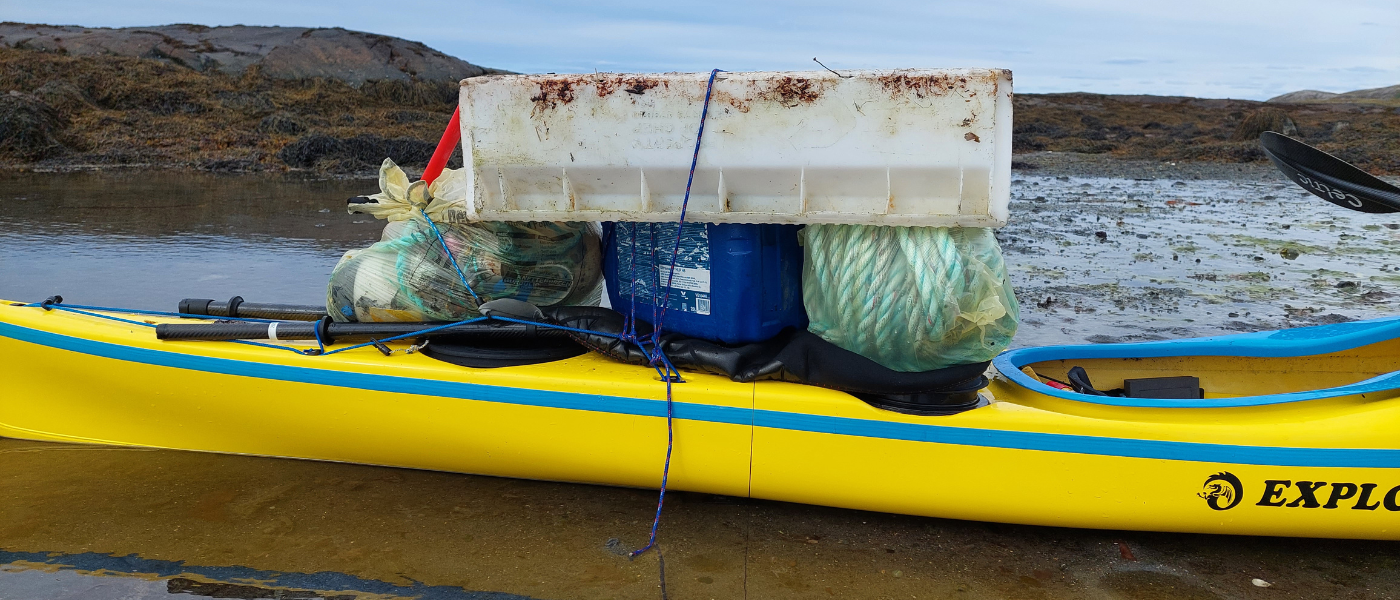
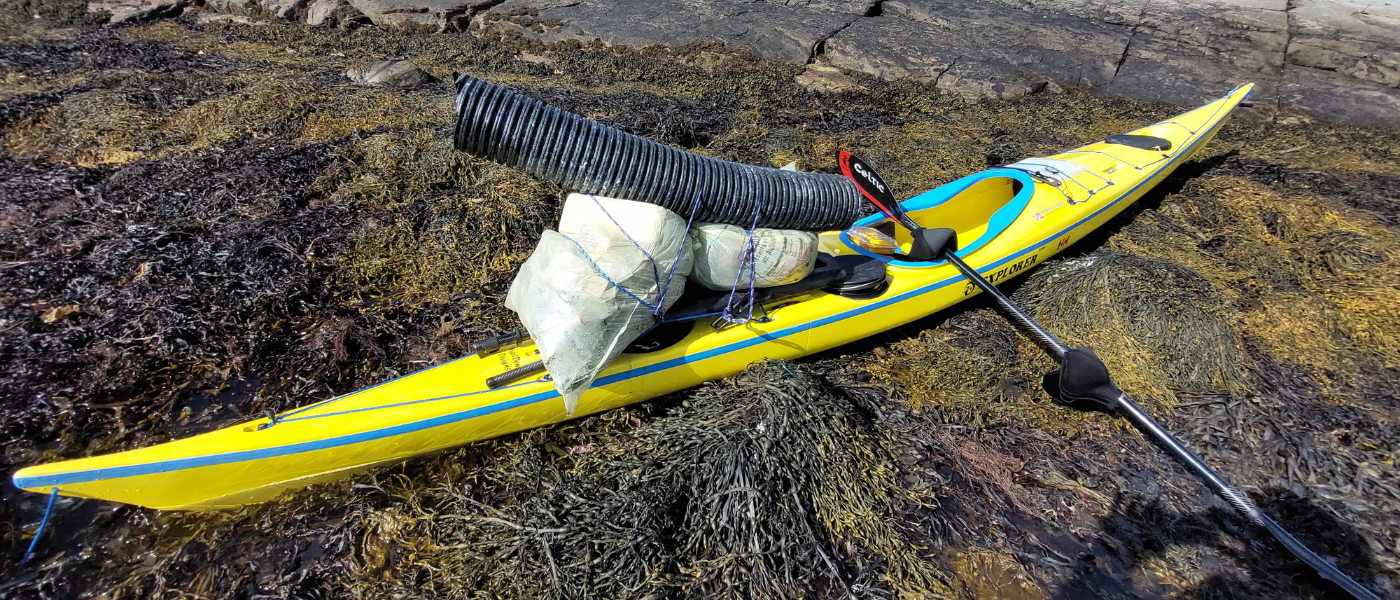
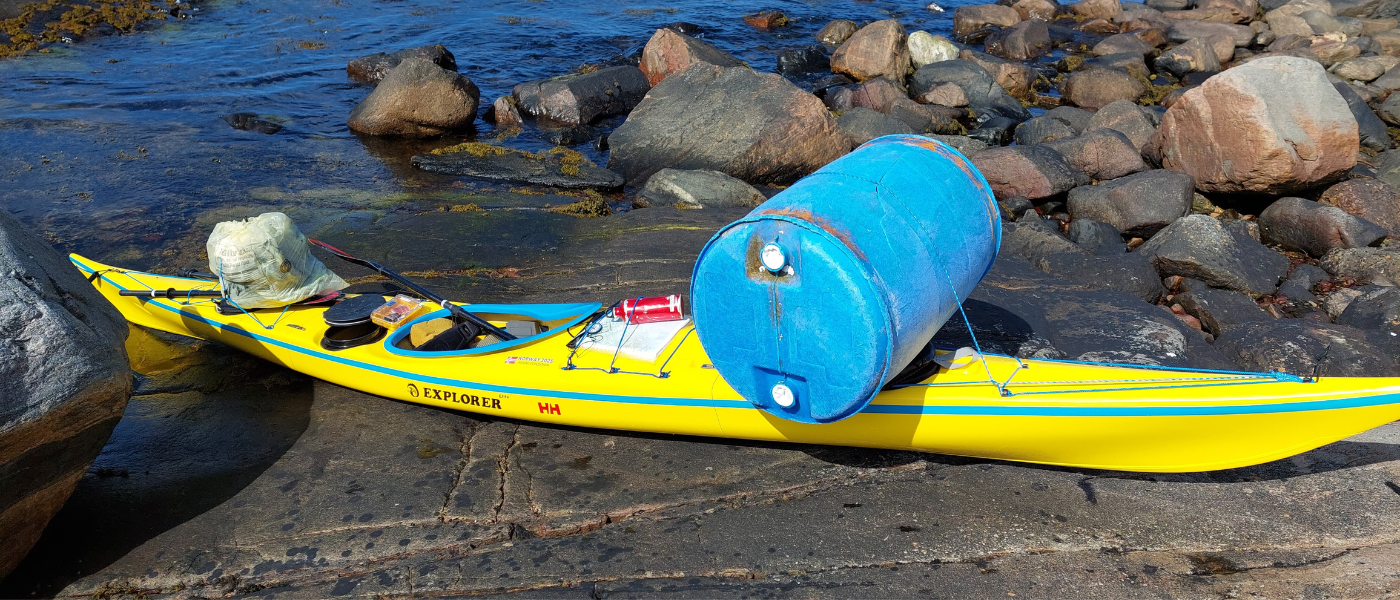
Usually I collected on the shore, yes, and I tended to fill two bags of rubbish per day. I can’t fit much more than that on the back deck of my kayak: the bags are pretty big and heavy, so I have to tie them down carefully.